Celebrity News
Shelley Fabares Death: 'Coach' and 'Donna Reed' Star Dies at 82
The entertainment world is mourning a television legend, as the Shelley Fabares death marks the loss of the beloved Coach actress at age 82.

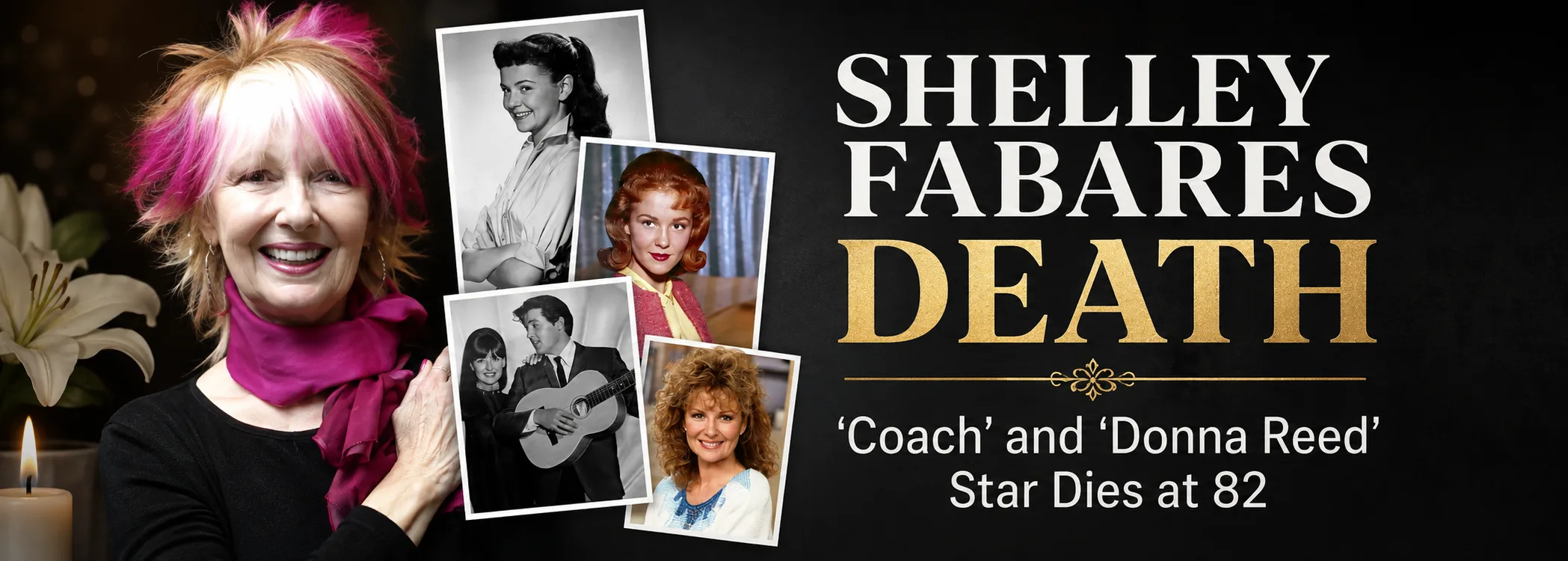
The Shelley Fabares death has officially closed the final chapter on one of television’s most enduring and resilient careers. The actress, who seamlessly transitioned from a 1960s teenage idol to a 1990s sitcom powerhouse, died on Saturday, August 22, in Los Angeles at the age of 82. Surrounded by her loved ones, including her husband of nearly four decades, MASH* actor Mike Farrell, Fabares leaves behind a legacy that shaped the very fabric of American pop culture.
“To her family and friends, Shelley was a source of love, strength, laughter, and comfort.”
The emotional family statement highlighted her remarkable ability to make everyone she encountered feel deeply valued and cared for. They emphasized that while millions will remember her incredible talent and intelligence on television, her greatest legacy remains intensely personal. To those closest to her, she was a devoted wife, a cherished stepmother to Farrell's children Michael and Erin, and a fiercely loyal friend whose beautiful spirit fundamentally changed their lives. Farrell and the family noted they are profoundly grateful for the joy and compassion she brought to so many, asking the public for complete privacy as they navigate their grief.
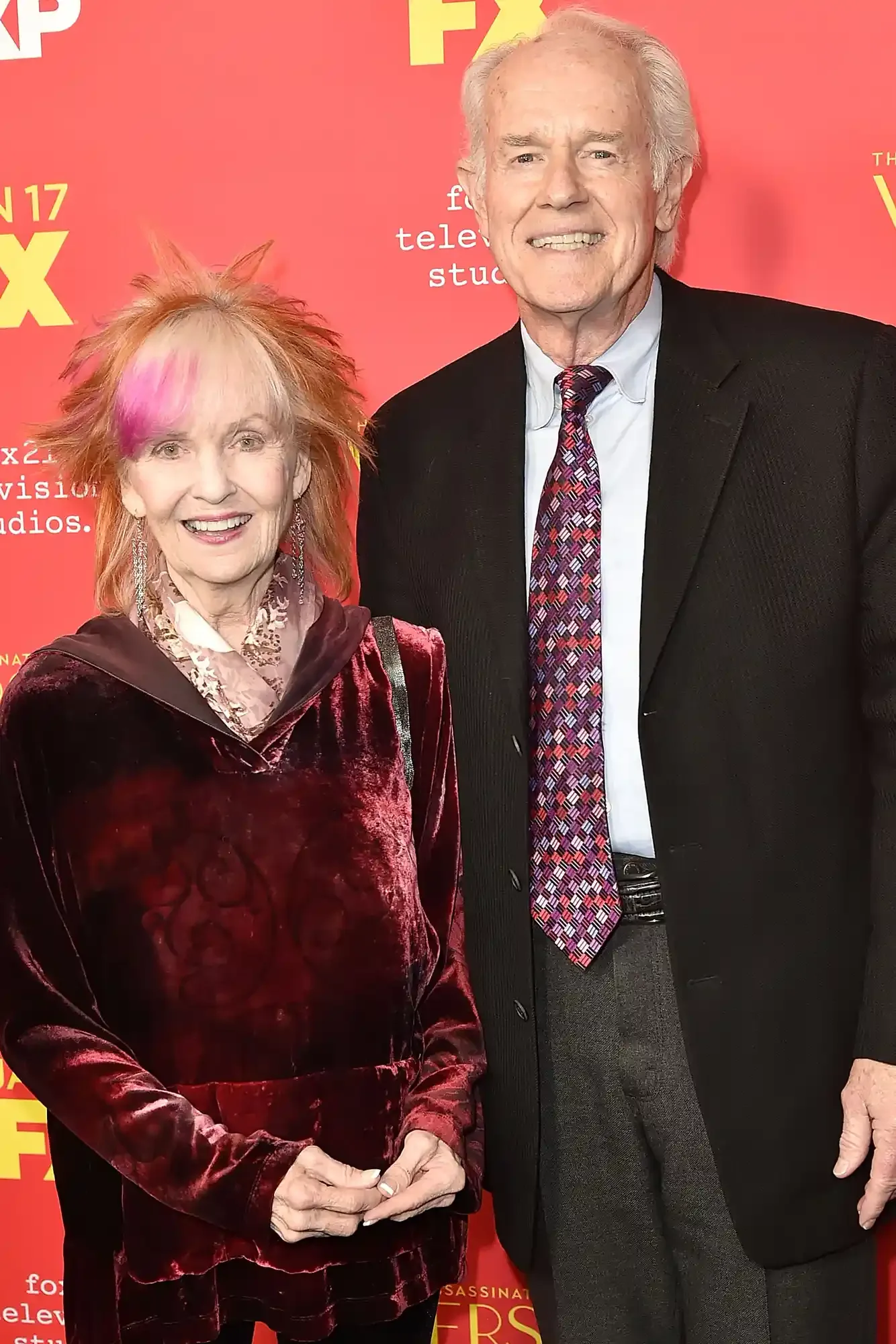
Born in Santa Monica, California, in 1944, Fabares was thrust into the blinding spotlight before she could even read. Her aunt Nanette Fabray was already an established working actress, and her mother pushed the toddler into modeling at just three years old. She made her television debut by age ten on Letter to Loretta. It was a rigorous childhood that left little room for normal adolescent rebellion. In a candid 1994 interview with The Roanoke Times, she admitted that the strict discipline of a television set completely stripped away the natural freedom most children enjoy, making it incredibly difficult to figure out her own personal identity.

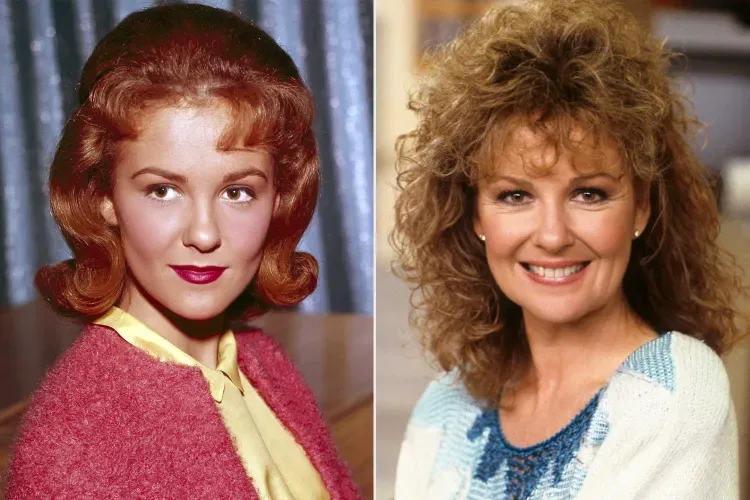
That identity began to permanently solidify in 1958 when she landed the role of Mary Stone on The Donna Reed Show. The beloved family sitcom turned her into a massive household name, but it also gave her a crucial surrogate mother. Fabares idolized series star Donna Reed, explicitly calling her a role model before she even understood what the term meant. The seasoned actress taught the teenager how to navigate a highly demanding Hollywood landscape, walking her around the studio set to calm her fears and demonstrating how to deal with difficult egos.
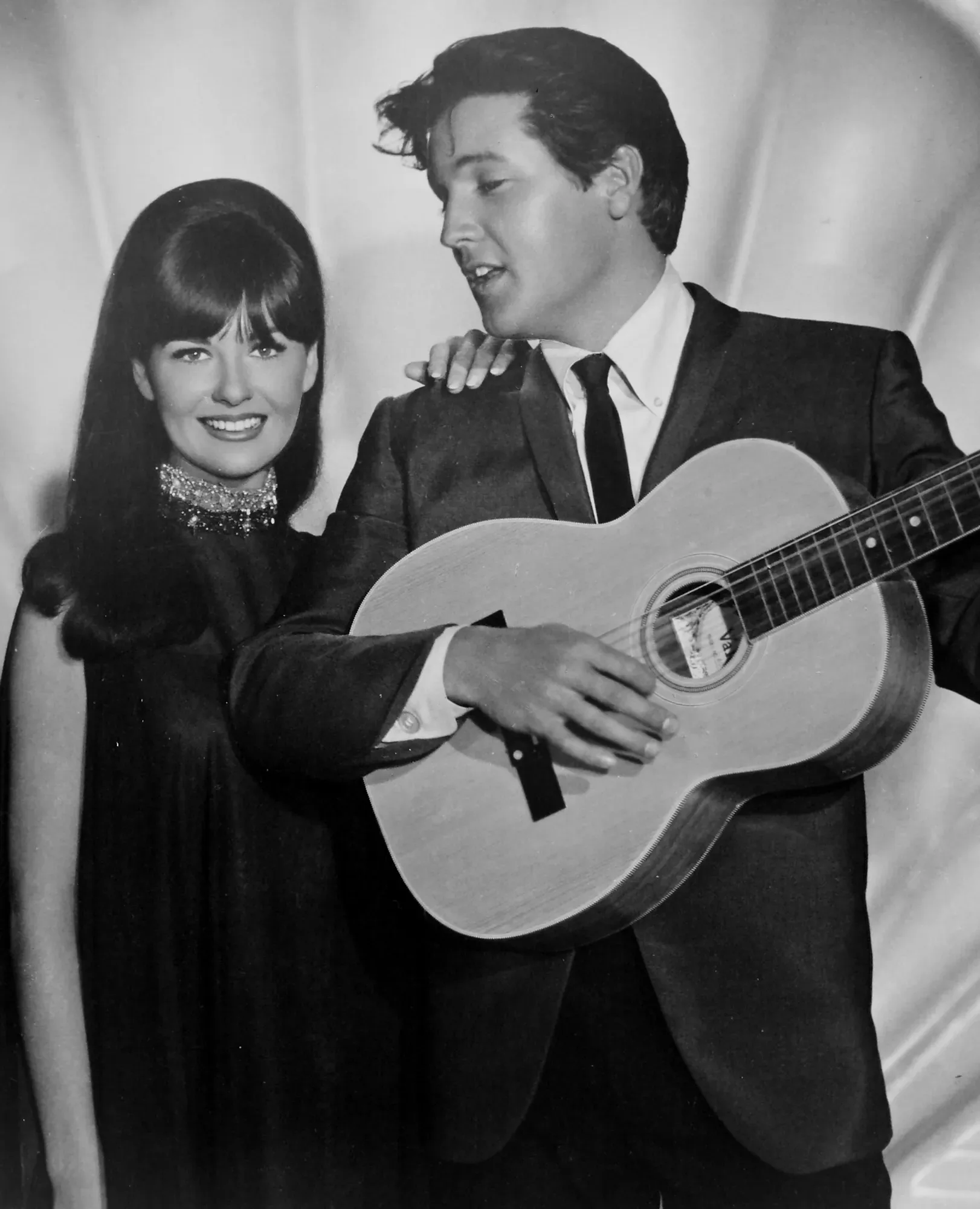
The hit show also launched a completely accidental music career. During the 1961 season, producer Tony Owen simply approached the young actress and ordered her to sing for an upcoming storyline. Despite insisting she had zero vocal talent, Fabares stepped up to the microphone. The result was the massive 1962 pop anthem “Johnny Angel,” which skyrocketed all the way to number one on the Billboard Hot 100 chart. She parlayed that sudden musical fame into a booming movie career, eventually starring opposite music legend Elvis Presley in three separate hit films: Girl Happy, Spinout, and Clambake.

That highly anticipated return to the top arrived in 1989 when she was cast as Christine Armstrong on the hit sitcom Coach. Playing an ambitious, successful woman opposite Craig T. Nelson was an absolute revelation for the actress. The comedy series initially struggled to find an audience, with Fabares joking that only six people watched the entire first season. However, once NBC shifted the show to a premium time slot right behind Roseanne, it exploded into a massive ratings success. Her brilliant comedic timing on the series eventually earned Fabares two well-deserved Emmy nominations.

"He has become my safe harbor. To have his strength when everything else is out of control… that’s the unbelievable gift he has given."
Those dark days transformed the actress into a fierce medical advocate. Inspired by Farrell’s extensive human rights campaigns, she poured her grief into Alzheimer’s research fundraising. She began traveling the country, testifying before Congress, and delivering powerful speeches to raise awareness, calling the advocacy work the most rewarding experience of her entire life. She proved her immense toughness yet again in 2000 when a frightening diagnosis of autoimmune hepatitis forced her to undergo a life-saving liver transplant.

Ultimately, Fabares survived the brutal machinery of child stardom to build a beautiful life defined by immense grace, resilience, and quiet power. Her surviving family takes deep comfort in knowing that the magnificent memories she created will continue to live on forever.
Frequently Asked
What TV shows was Shelley Fabares known for?
Did Shelley Fabares sing the song Johnny Angel?
Who was Shelley Fabares married to?
Did Shelley Fabares act with Elvis Presley?
Written by